Living room
Remove loose chargers, remote-control piles, extra throws, oversized toy baskets and furniture that blocks circulation. Keep enough furniture to show scale and purpose.
HOME SELLING • DECLUTTERING GUIDE
The goal is not a sterile home. It is a home that buyers can understand fast: clear surfaces, obvious room purpose, visible strengths and fewer temporary distractions competing with the property itself.
THE 2026 SELLER REALITY
Current buyer behavior makes presentation more important, while AI-enhanced real-estate imagery is also under more scrutiny. The useful middle ground is simple: reduce temporary visual noise, improve readability and preserve what the property actually is.
If an edit would cause a buyer to expect a permanent feature, condition or view that is not actually there, do not make that edit. Recent industry guidance has increasingly focused on AI-photo transparency and “housefishing” concerns.
ROOM-BY-ROOM DECLUTTERING
Use this as a practical pre-listing sweep. The sequence is designed around search questions sellers actually ask: what to remove, how much to depersonalize, what to clear for photos and how to keep the home livable while it is on the market.
Remove loose chargers, remote-control piles, extra throws, oversized toy baskets and furniture that blocks circulation. Keep enough furniture to show scale and purpose.
Clear small appliances you rarely use, dish racks, paperwork, excess bottles and fridge-door clutter. Leave a few useful items so the room still feels like a real kitchen.
Reduce visible laundry, cables, crowded nightstands and overflow storage. Keep the bed, lighting and a calm amount of personal detail so buyers can read the room's proportions.
Hide everyday toiletries, spare cleaning products, laundry and counter clutter. Do not digitally erase permanent marks, damage or fixtures that a buyer would reasonably expect to see.
Remove paperwork, sensitive information, visible cables and equipment that makes the surface look smaller. Keep enough context to make the workspace immediately understandable.
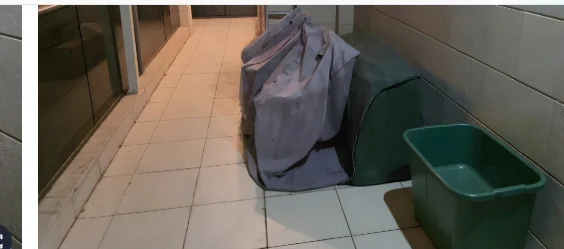
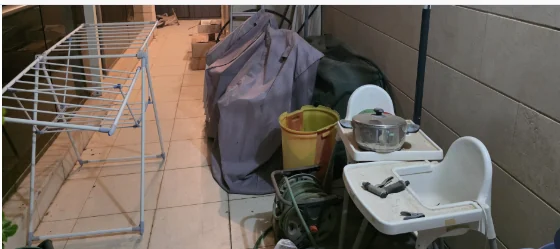
Clear drying racks, tools, storage overflow, dead planters and loose household items. Keep fixed screening, railings, flooring and genuine outdoor features visible.
Reduce floor toys, overflowing shelves and highly personal wall clutter. A child's room can still feel lived-in; buyers mainly need to understand size, storage and movement.
Remove shoe piles, bags, deliveries and coats that narrow the first sightline. The entrance sets the visual rhythm for the rest of the showing.
BEFORE LISTING PHOTOS
Photos compress a three-dimensional room into one frame. Small distractions can become disproportionately prominent, while useful details can disappear behind everyday objects.
Keep windows, usable counters, storage and movement paths visually open.
Items at the frame edges often make a photo feel messier than the room feels in person.
Mail, screens, family documents, school names and personal identifiers should not appear in listing photography.
Do not erase a fixed object or condition simply because it makes the photo less attractive.
A seller lives with a room every day and automatically filters out the charger on the floor, stacked boxes, drying rack and crowded side table. A buyer does not have that filter. In a photo, those temporary objects can become the room's first story.
The useful move is not to invent a more luxurious room. It is to remove the temporary noise, then check whether the room's real strengths are finally obvious.
This is a composite educational scenario, not a customer testimonial. We use scenarios like this rather than inventing reviews or pretending a fictional seller is a real client.WHAT SELLS THE IDEA OF THE ROOM
There is a difference between visual noise and character. Current Zillow engagement research points to buyer interest in distinctive architectural details such as exposed beams, brick walls, arches and period styles. The lesson is not “make every home minimalist.” It is “stop temporary clutter from competing with the features buyers may actually care about.”
Temporary objects, duplicate items, privacy-sensitive material, overflow storage, dead or broken décor.
Architecture, usable storage, natural light, room function, fixed finishes, genuine views and distinctive details.
USE A REAL ROOM
Upload one room to Wonder Agent. It looks at what may pull a buyer's attention first, what to prepare before a viewing and which real strengths are worth making easier to notice.
One real room. No need to redesign the property.
COMMON SEARCH QUESTIONS
Enough that buyers can quickly understand each room, walk through it easily and see useful surfaces, storage and sightlines. You do not need to remove every personal object or make the home feel vacant.
Start with loose cables, paperwork, toiletries, drying racks, crowded counters, fridge clutter, laundry, excess toys, pet items and objects that block windows or walkways. Also remove anything displaying personal or sensitive information.
Usually, reduce highly personal distractions rather than stripping the home of all personality. The objective is to make it easier for a buyer to imagine the space as theirs while still seeing a warm, understandable home.
It can make the boundaries, floor area and circulation easier to perceive. That is different from digitally widening a room or using edits that misrepresent its actual dimensions.
AI can be useful for previewing a cleaner presentation of temporary clutter, but listing imagery should not create false expectations about permanent features, condition, size or views. Transparency requirements can also vary by platform and jurisdiction.
Work from the buyer's route: entryway first, then living areas, kitchen counters, bathrooms and the primary bedroom. Use one temporary storage box per room for everyday items, then remove those boxes from the property before the showing.
SOURCES & MARKET SIGNALS
The statistics and 2026 market context above are linked to current industry research rather than invented “trend” claims.
CLEARER, NOT FICTIONAL
Use one real photo to get a buyer-eye read, practical preparation notes and a truthful prepared version of the room.